Pre-Kindergarten
“Children learn as they play.
Most importantly, in play, children learn how to learn.”
~ O. Fred Donaldson, Ph.D., play researcher



Our Pre-K is…
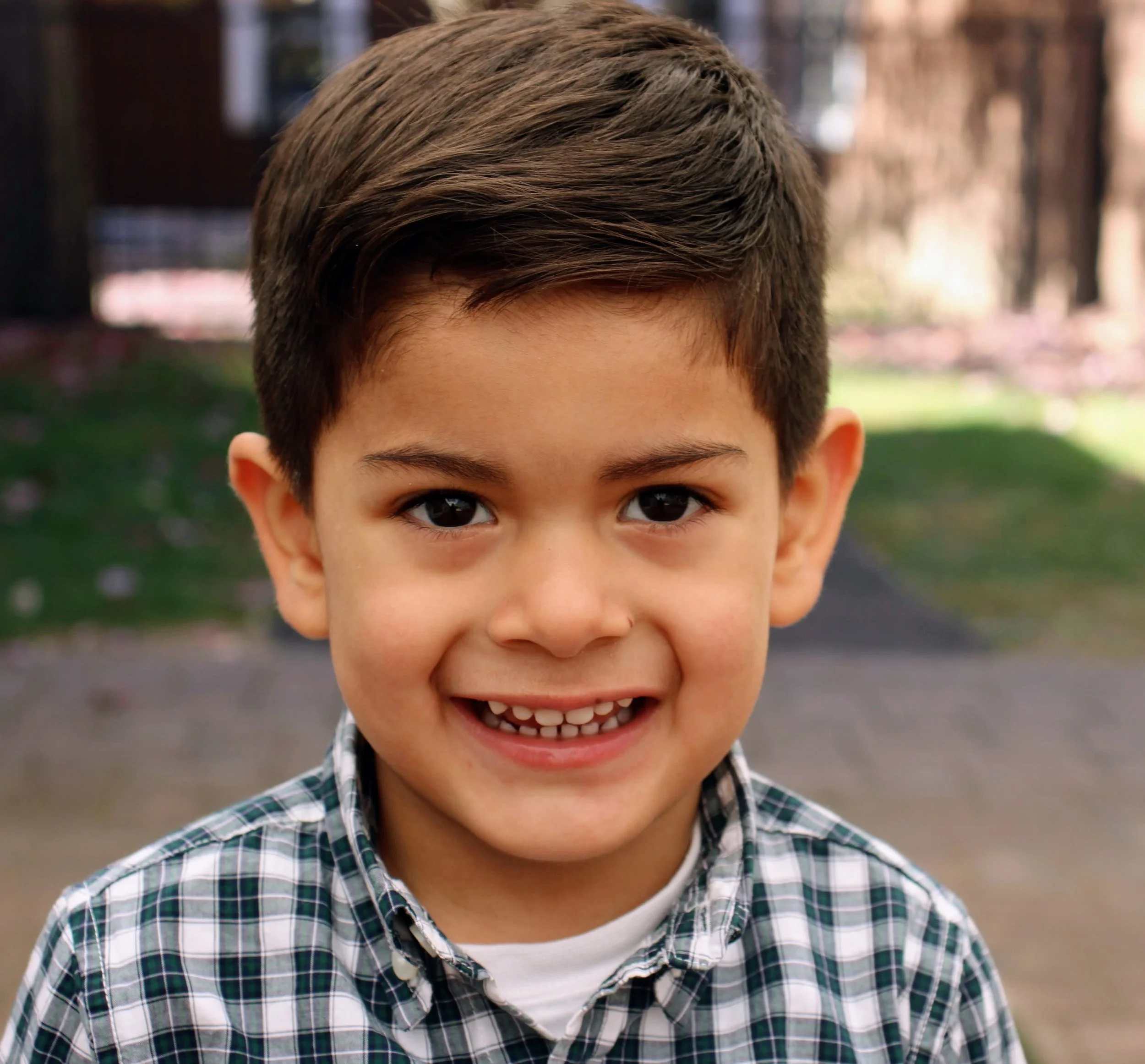
Friendly, Gregarious & Chatty
Developmentally Appropriate
Opportunities For Exploration
The Pre-K program at Westbury Friends School is a wonderful mix of academic learning that is both challenging and developmentally appropriate, and social experiences through which students gain competence and confidence. The classroom offers multiple opportunities for exploration and discovery through varied hands-on interest areas. These learning activities allow for independent pursuits and/or group interaction.
The social, physical, intellectual, creative, emotional, and spiritual development of each child is an integral part of the overall program, as children grow and achieve at their own levels, strengths, and abilities.
The classroom ambiance provides a solid framework that nurtures and inspires students toward a lifelong love of learning, with an eye toward a smooth transition into Kindergarten and its more structured learning environment.
Literacy
Pre-K provides an environment that supports children’s natural inclination to socialize and use language to communicate. Children are encouraged to be specific about the language they use to share ideas and information. Pre-K students tend to be expansive in their language development, trying out and using big words when explaining or sharing experiences.
Books, stories, songs, and dramatic play are all used to teach language. Children are made to laugh, wonder, and interact with the world through language. Questions are asked to promote comprehension, and character development is celebrated through the exploration of words (hello, good morning, please, thank you, etc.). These high-frequency words and phrases are presented in a variety of ways, with particular emphasis in the Morning Message.
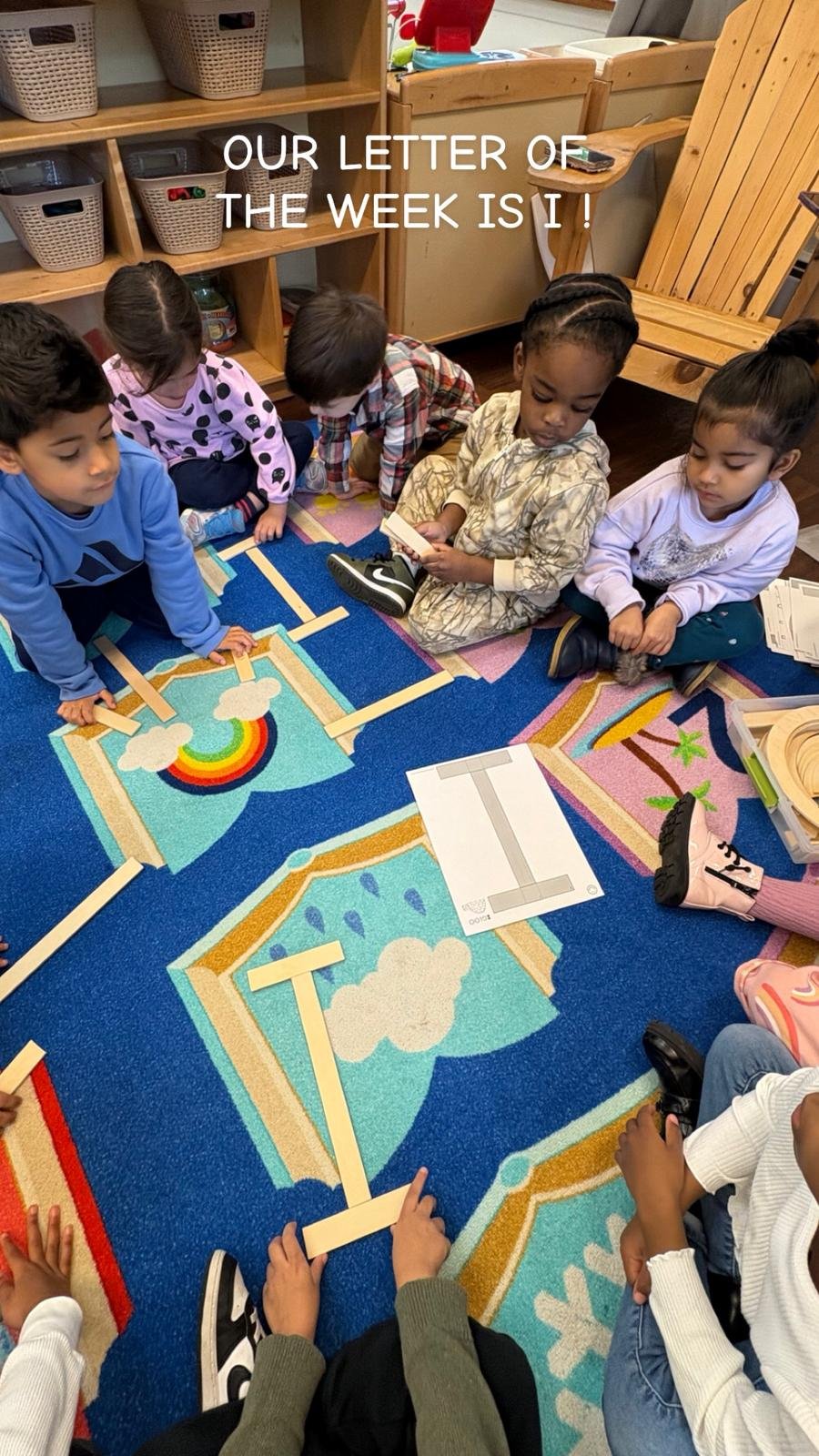
The alphabet and numbers are available to the children whenever they need to refer to them. Class and individual books created by the children are often part of thematic experiences and made available in the classroom library. Through games, projects, and ‘class jobs,’ the use of letters and numbers is integrated naturally throughout the day and around the room. Pre-K utilizes the Handwriting Without Tears program to stimulate high interest in letters, sounds, and writing, and the Fountas and Pinnell assessment tool to gauge student progress and growth.
Math
Manipulative, hands-on experiences are key to introducing and understanding basic math concepts for a Pre-K student. Students are guided to see math all around them in the form of numbers, words, activities, calendars, patterns, sequences, skip counting, temperature, sorting and classifying, and myriad other concepts that encompass mathematical thinking.
Science
Everything that children in Pre-K do is science, for they are continuously engaged in observing, discovering, and experimenting with their surroundings. In an effort to make sense of their world, they naturally interact with and manipulate their environment, all the while learning about the properties of the materials they use. The goal of the classroom teachers is to facilitate this natural exploration, broaden opportunities for discovery, and guide each child in finding and using the language that will help them communicate what they are seeing and doing.
Social Studies
For children in Pre-Kindergarten, “social studies” consists of exploring the cultural society in which we live. Embedded in their culture(s) are the many things that determine how and with whom they spend their time, including, but not limited to, the configuration of families, members of the community they see (firefighters, police, the postman, etc.), the physical space they experience (beach, forest, city, etc.), the holidays they celebrate and what they do for fun.
Providing settings (both indoor and outdoor) and materials that help children experience the complexities and simplicities of the world in which they live is part of the Social Studies experience.
Music
Music is a daily part of the Pre-K program, designed to expose and familiarize students with a wide range of musical experiences. This is accomplished through listening, finger plays, playing instruments, singing, and creative movement.
Art
Art provides children with a variety of opportunities to express their ideas, observations, and feelings in ways that are truly individual to them. It is also a way for them to explore their senses and the world around them, providing many hands-on experiences.
Social/Emotional Development
Pre-K Students are discovering and exploring their role in the world they live in. They are more able to express themselves through words and ideas. Providing them with a new and exciting social world to explore, test, and enjoy is an important aspect of Pre-K. It affords the children opportunities and experiences that will help them learn to navigate this new and exciting world appropriately. This can be a scary and uncertain time for children as they begin to understand better how their actions impact both themselves and their peers. The Pre-K experience strives to provide a safe/positive environment where children can express themselves, ask questions, explore the world around them, and work towards becoming self-confident and self-reliant. We do this by being positive role models and providing them with the language and practice they need to begin to master these skills.
What are some Activities That Pre-K Get To Participate In?